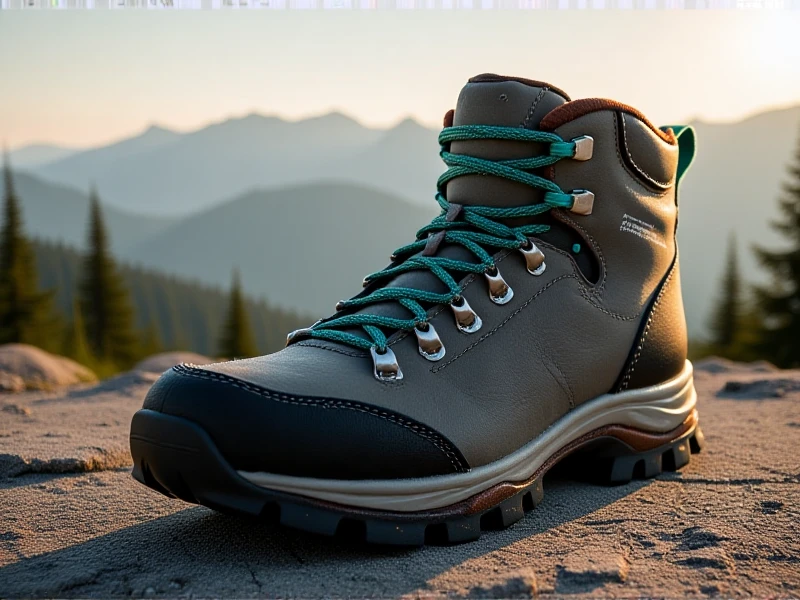
Find Your Perfect Trekking Shoes: Your Essential Gear for Unforgettable Adventures
Hitting the trails and exploring breathtaking wilderness requires reliable gear, and nothing is more fundamental than a quality pair of Trekking Shoes. Choosing the correct footwear isn't merely about aesthetics; it directly influences your comfort, performance, and, crucially, your safety on uneven and demanding terrain. With so many options available, finding your ideal match can feel overwhelming. Here's what truly matters when selecting your adventure companions.
Understanding your specific needs is paramount. Will you be navigating well-maintained forest paths, tackling rocky mountain ascents, or facing muddy jungle trails? This context dictates the essential features needed. Here are the core elements to prioritize in your Trekking Shoes:
- Ankle Support & Cut: High-cut boots offer maximum ankle support and protection, crucial on unstable or rocky terrain. Mid-cut still provides good stability and protection against scrapes. Low-cut trekking shoes provide maximum freedom and breathability, best suited for light trails and established paths.
- Traction & Stability: The outsole is your foundation. Look for deep, multi-directional lugs made from durable rubber compounds like Vibram® for superior grip on loose dirt, mud, wet rocks, and slopes. Aggressive tread patterns prevent slips. Adequate sole thickness protects your feet from sharp rocks.
- Protection & Durability: Tough toe caps (rubber bumpers) shield your toes from stubs. Robust materials like suede leather, abrasion-resistant nubuck, or reinforced synthetics enhance long-term durability against abrasion. A rock plate sandwiched within the sole offers vital protection against sharp objects underfoot.
- Comfort: Blisters and fatigue ruin hikes. Trekking Shoes are designed for endurance:
- Motion Control & Support: Stiffer midsoles prevent foot roll and provide stability over uneven surfaces. Good torsional rigidity enhances support.
- Cushioning: Balanced cushioning absorbs shock during repetitive steps, reducing foot fatigue, especially under a load.
- Fit: Ensure ample toe box width to prevent numbness on descents and accommodate natural foot swelling. A secure but not tight heel lock prevents blisters. Try shoes on with the socks you intend to hike in and remember to break them in thoroughly before significant outings.
- Water Protection vs. Breathability: Waterproof membranes (Gore-Tex® or comparable) are essential for hiking in consistently wet conditions, crossing streams, or dealing with dew/rain. However, they are warmer. Non-waterproof, highly breathable mesh shoes excel in dry, hot climates, offering quick drying where waterproofing is unnecessary weight.
Never compromise on quality when choosing Trekking Shoes. They are the vital interface between your body and the trail, heavily influencing your hiking enjoyment, performance, and injury prevention. Investing in the right pair tailored to your typical hiking environments is fundamental. They don’t just carry you; they empower your journey, providing stability to navigate challenging paths, cushioning for relentless miles, and protection from the elements. Consider them the essential battery for your adventure – crucial for keeping you moving powerfully through stunning natural landscapes. Spend time researching, trying on various models, and truly prioritizing fit and function. Your feet – and your future hiking memories – will profoundly thank you for this key gear choice.
At the end of the day, the perfect Trekking Shoes make long distances feel shorter, challenging terrain manageable, and unforgettable wilderness experiences even more rewarding. Explore your options carefully.