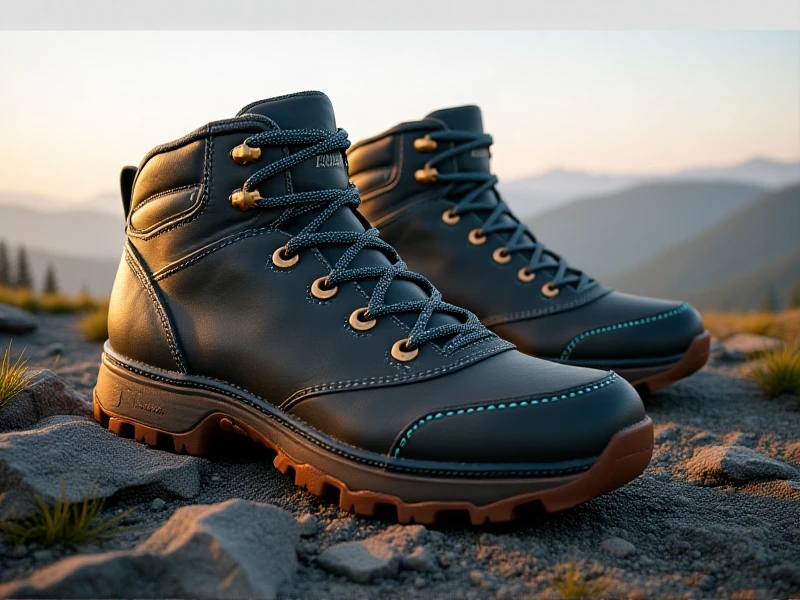
Finding Your Perfect Match: Trekking Shoes Your Feet Will Thank You For
Step into the wilderness with confidence. The difference between a breathtaking mountain vista and a painful slog often comes down to your footwear. Investing in the right pair of trekking shoes isn't about luxury; it's about safety, comfort, and maximizing your outdoor experience. Whether you're traversing rocky trails, muddy paths, or forested hills, your trekking shoes are your most critical piece of gear. Here's what makes them essential and how to find your ideal pair.
More Than Just Sneakers: Unlike regular athletic shoes, trekking shoes are specifically engineered for off-road terrain. They generally feature:
- Stiffened Soles: Designed for stability on uneven ground, reducing fatigue over long miles and protecting your feet from sharp rocks.
- Aggressive Outsoles: Deep, multidirectional lugs provide unmatched traction on dirt, mud, loose gravel, and wet surfaces. Popular brands like Vibram® are renowned for grip.
- Enhanced Support: Look for models with rugged construction around the ankle and midfoot to prevent twists and rolls on unpredictable trails.
- Durable Construction: Made from tougher materials like leather or reinforced synthetics to withstand abrasion from rocks, roots, and brush.
- Weather Protection: Many feature membranes (like Gore-Tex®) for waterproofing and breathability, keeping feet dry in wet conditions and sweat-free on climbs.
Choosing Your Champion: Consider these factors:
- Terrain & Weight: Day hikes on well-maintained trails might suit lightweight low-cut trail shoes. Rugged multi-day treks with heavy packs demand the superior ankle support and underfoot protection of mid-cut or high-cut trekking shoes.
- Ankle Support: High-top trekking shoes offer maximum ankle stability, crucial for challenging ascents and descents. Low-top versions are lighter and offer more freedom but require stronger ankles.
- Waterproofing: Essential for wet climates, muddy trails, or stream crossings. Non-waterproof shoes offer better breathability in hot, dry conditions – choose based on your typical environment. Gore-Tex® remains the gold standard.
- Traction: Deep, open-lugged outsoles excel in mud; finer lugs might grip better on rock. Consider the primary surfaces you'll encounter.
- Fit is King: Always try before you buy! Your feet swell during hiking. Ensure ample toe space, snug heel hold, a comfortable width, and no pressure points with your hiking socks on. Walk on an incline/decline if possible.
The Final Step: Don't let blisters or instability ruin your adventure. Quality trekking shoes are a foundational investment for any hiker. Understand your needs, prioritize fit above all else, and hit the trails knowing your feet (and knees!) are properly protected and supported. Happy trekking!