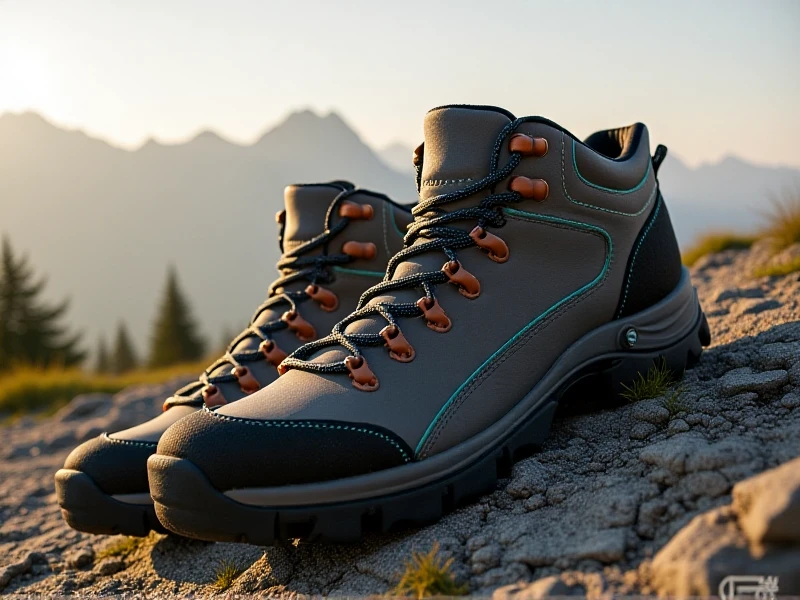
Unlock Your Trails: The Ultimate Guide to Choosing the Best Hiking Shoes
Finding the perfect hiking shoes can transform your outdoor adventures. Forget blisters and sore feet—the right footwear offers comfort, support, and grip for miles of exploration. Here's how to pick the ultimate pair.
Traction is Non-Negotiable Your mountain trail or rocky path demands serious traction. Look for deep, multi-directional lugs and sticky rubber compounds like Vibram. These grip slick rocks, muddy inclines, and loose gravel confidently. A reinforced toe cap prevents painful bumps and protects against trail obstacles. Prioritize shoes designed specifically for your terrain—aggressive soles for technical trails, balanced tread for mixed use.
Support & Stability: Your Foundation Feet fatigue quickly without proper support. Quality hiking shoes feature rigid shanks (nylon or steel) in the midsole that prevent flexing on uneven ground, reducing fatigue. Ankle support varies—mid-cut options stabilize ankles on rough terrain, while low-cuts offer agility on well-maintained paths. Consider your pack weight: heavier loads demand higher stability. The ideal shoe guides your foot, preventing rolling and injury.
Waterproof or Breathable? Know Your Climate Gore-Tex membranes keep feet dry crossing streams or in morning dew, but they can trap heat on summer trails. For humid climates or fast-paced hikes, breathable mesh shoes dry faster and keep feet cooler. Leather uppers offer rugged durability and natural water resistance but require more breaking in. Assess your typical climate and hike intensity—wet feet cause blisters, overheated feet cause sweat-soaked socks.
Fit: The Make-or-Break Factor An ill-fitting shoe ruins any hike. Always try shoes with the socks you hike in. Your toes need wiggle room to avoid jamming downhill; a thumbnail’s space at the end is ideal. Heels should lock securely without slipping. Walk on incline/decline simulators if your outdoor retailer has them. Remember: feet swell during long hikes! Shop later in the day when your feet are naturally enlarged.
Break Them In Care New hiking shoes need a patient break-in period. Wear them for progressively longer walks in your neighborhood before tackling long trails. Clean mud after every hike to preserve materials, and use specialized sprays to maintain water resistance. Rotate between two pairs if hiking frequently to extend lifespan.
Invest in the right hiking shoes, and every trail becomes a joy. Your feet will thank you—mile after breathtaking mile. Get fitted by a professional, consider your terrain, and embrace the journey ahead!