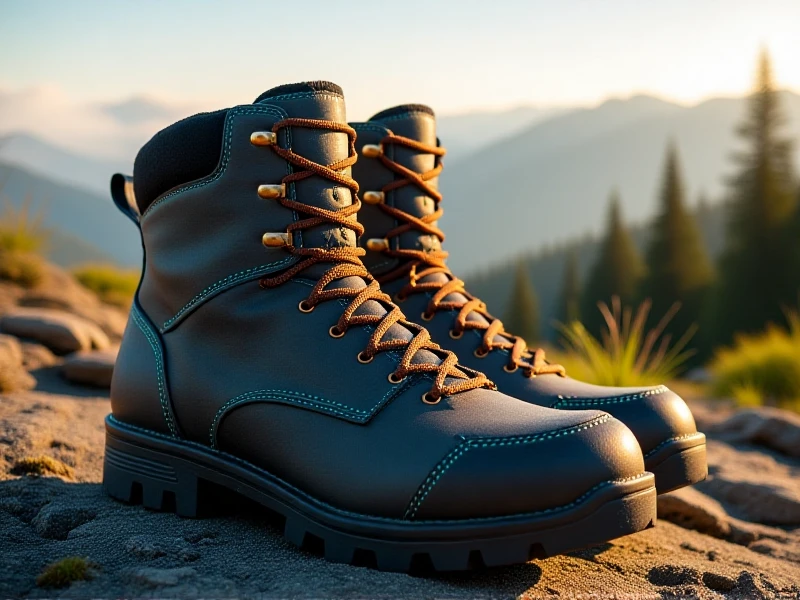
Finding Your Perfect Mountaineering Shoes: The Expert Guide
Reaching a pristine summit demands strength, skill, and crucially, confidence in every step. Your mountaineering shoes aren't just footwear; they are your vital connection to the mountain, translating intent into motion across rock, snow, and ice. Choosing the best pair impacts safety, endurance, and ultimately, your success on challenging ascents.
At their core, superior mountaineering shoes combine uncompromising protection with precise support. Rigid soles provide essential stability on uneven, rocky terrain and when kicking steps into steeper snow slopes. Look for midsoles crafted from materials like polyurethane or specialized nylon, offering the torsional rigidity needed for edging and crampon compatibility. A stiff shank running through the sole ensures efficient power transfer with each step.
Protection against the elements is non-negotiable. Modern mountaineering shoes often integrate seamless waterproof-breathable liners like Gore-Tex® or proprietary membranes. These block relentless moisture from rain, snowmelt, and streams while allowing sweat vapor to escape, combating both wet feet outwards and clamminess inwards. Robust, abrasion-resistant uppers, whether made from leather or tough synthetics, shield your feet from sharp rocks and cold winds.
Secure, precise fit is everything. Poorly fitting mountaineering shoes cause blisters, reduce control, and sap energy instantly. Brands like La Sportiva, Scarpa, Mammut, and Salewa offer diverse last shapes to accommodate narrow to wider feet. Always try them on wearing the specific type of technical mountaineering sock you intend to use. Allow room for natural toe splay and slight forward movement when heels are locked down, crucial for downhill sections. Expect a snug, performance-oriented feel – they shouldn’t feel like trail runners. Heel retention is particularly vital, preventing slippage within the shoe during arduous descents.
The ideal application dictates the style:
- B1 (or C1) Flex: Perfect boot for technical routes needing rigid crampons, especially ice climbing or steep snow/glacier travel. Requires full technical crampons (B-rated).
- Technical Approach/Grade B: Bridging the gap, these remain sufficiently rigid for crampons yet flexible enough for significant approach hikes. Ideal for alpine climbing routes.
- Robust Hiking/Scrambling Boots: While not 'true' mountaineering boots, sturdier trekking boots handle less technical objectives effectively without mountaineering shoes' specialized rigidity.
Invest time in finding boots that disappear underfoot – boots that become an extension capable of meeting the mountain's demands. Prioritize fit, protection, and terrain appropriateness. Once matched perfectly, your focus shifts entirely upward to the climb ahead and the summit waiting. Equip your ambition with the right support. Lace confidently into your purpose-built mountaineering shoes.
(Word Count: 416)