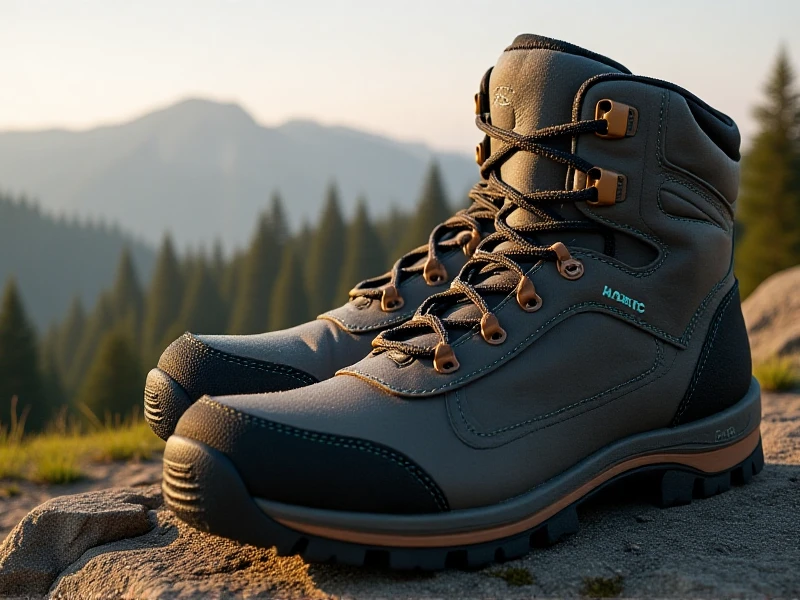
Conquer Peaks in Comfort and Safety: Your Guide to Mountaineering Shoes
Reaching a summit demands grit, determination, and gear you can trust with every step. Among the most critical pieces of equipment are your mountaineering shoes (or climbing boots). Forget standard hiking boots; mountaineering shoes are purpose-built for the unique and often brutal challenges of ascending mountains, providing essential support, protection, and traction on technical terrain.
Engineered for the Extremes
Unlike trail runners or backpacking boots, mountaineering shoes possess distinct features:
- Stiff Soles: A rigid midsole (often made of nylon or composite materials) is paramount. This stiffness allows you to stand securely on small rock edges, provides a stable platform for kicking steps into snow or ice, and supports crampon attachment without flexing improperly.
- Unparalleled Ankle Support: Higher cuts offer crucial lateral stability and protect your ankles from rolling on uneven, rocky ground, especially under the weight of a pack.
- Robust Construction: Built with durable, water-resistant, and often waterproof materials (like full-grain leather or sturdy synthetics with membranes like Gore-Tex), they shield your feet from abrasive rock, moisture, and frigid temperatures found in harsh alpine environments.
- Aggressive Outsoles: High-quality rubber compounds (like Vibram) with deep, multidirectional lugs provide exceptional grip on rock, scree, and even soft snow.
- Crampon Compatibility: Designed with welts (grooves) around the toe and heel to securely accept specialized mountaineering crampons, whether step-in (fully automatic), hybrid, or strap-on styles.
Comfort Meets Performance
While rugged, modern mountaineering shoes prioritize comfort for long approaches and multi-day climbs:
- Insulation: Models for colder conditions often include insulation (like Thinsulate) while those for warmer rock scrambles focus more on breathability. Choosing the right level is vital.
- Supportive Footbeds: Contoured and often removable footbeds provide arch support and aid in long-term comfort.
- Precise Fit: A proper fit is non-negotiable. Boots should be snug (not painfully tight) to prevent foot movement and blisters, especially when descending. Expect a break-in period. Your toes shouldn’t jam the front when your heel is seated back.
Choosing Your Mountain Footwear
Selecting the right mountaineering shoes depends heavily on your objectives:
- Technical Rock/Alpine: Lean towards more precise, often lighter boots with maximum edging capability, suitable for demanding rock faces mixed with snow (e.g., La Sportiva Nepal Cube, Scarpa Mont Blanc).
- General Mountaineering/Ice: Require excellent insulation, stiffness for kicking steps and front-pointing with crampons, and waterproofing (e.g., Scarpa Phantom Tech, La Sportiva G5).
- Heavy-Duty/Expedition: Built for the coldest conditions and carrying heavy loads, offering maximum durability, warmth, and rigidity (e.g., La Sportiva Olympus Mons Evo).
Invest for Your Adventure
Your mountaineering shoes are your primary connection to the mountain. Compromising on them compromises your safety, performance, and ultimately, your experience. Invest in high-quality footwear designed specifically for the demanding conditions you'll face. Before buying, research thoroughly and try on several pairs from reputable brands specializing in technical mountain footwear. The right boots empower you to push your limits and summit securely. Explore our range of top-rated mountaineering shoes today and find the perfect foundation for your next climb.